Land Leveling in Atlanta, GA
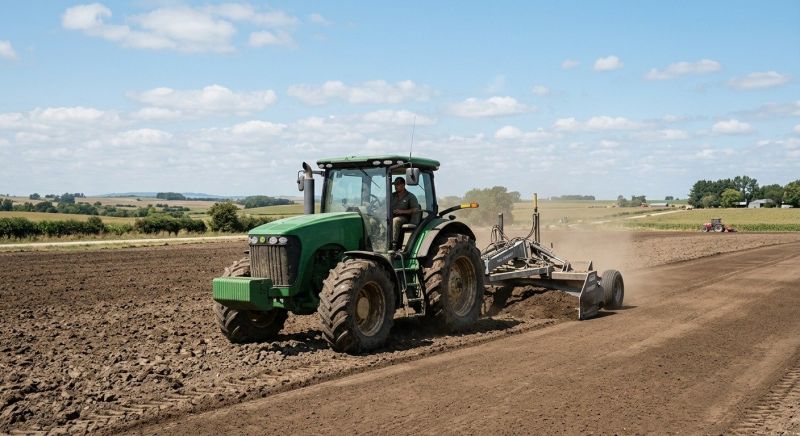
Land leveling services involve adjusting the elevation of a property’s terrain to create a smooth, even surface. This process is commonly requested for projects such as preparing land for new construction, establishing a level yard, improving drainage, or creating a suitable foundation for landscaping or irrigation systems. Homeowners considering land leveling should understand the importance of assessing the current topography, identifying drainage concerns, and determining the desired final grade to ensure the project meets their specific needs.
Before requesting land leveling, property owners typically want to know about the scope of work involved, the types of equipment used, and how the process may impact existing structures or landscaping. It’s also useful to consider any permits or regulations that might apply in the area, as well as how the finished terrain will support future use of the property. Clear communication about goals and expectations can help ensure the project achieves the desired results efficiently.
Many property owners in Atlanta, GA look into Land Leveling for repairs, replacements, upgrades, and appearance-related improvements.
Ensuring Proper Drainage
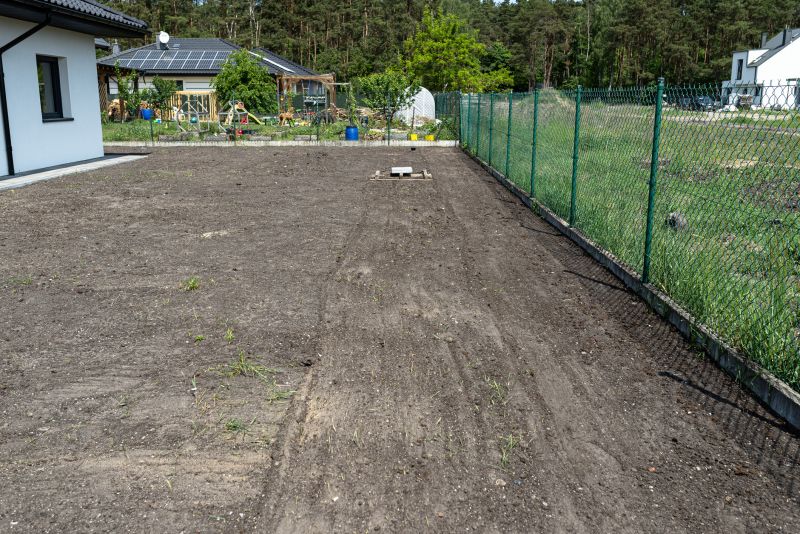
Land leveling helps prevent water pooling and directs runoff away from structures.
Preparing For Construction
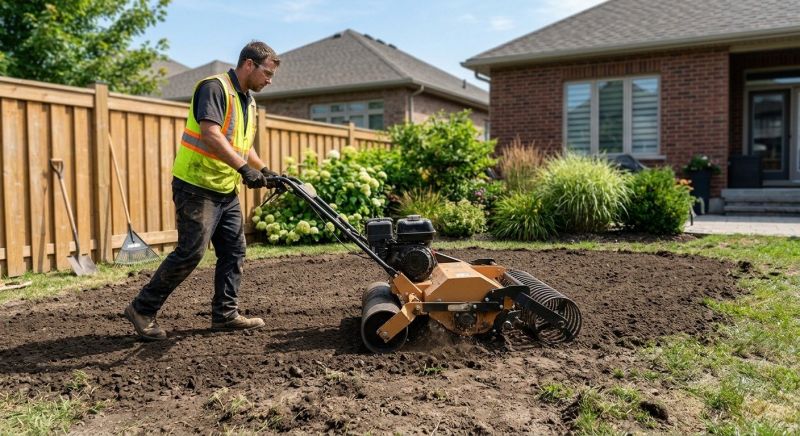
A level foundation is essential for building patios, driveways, or new structures on your property.
Enhancing Property Aesthetics
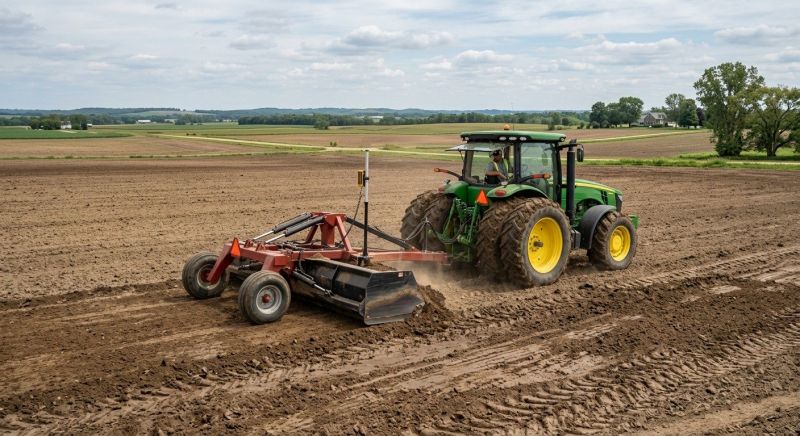
Smoothing uneven terrain improves the overall appearance and usability of outdoor spaces in atlanta, ga.
Land Leveling in Atlanta, GA
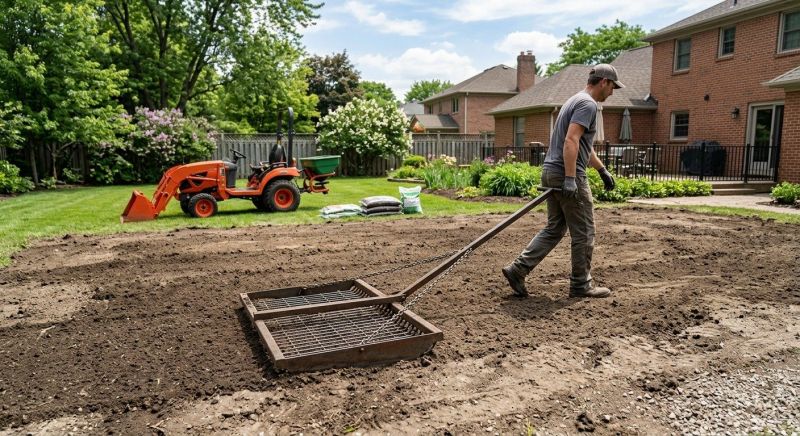
Land leveling services involve adjusting the elevation of a property’s terrain to create a smooth, even surface. This process is commonly requested for projects such as preparing land for new construction, establishing a level yard, improving drainage, or creating a suitable foundation for landscaping or irrigation systems. Homeowners considering land leveling should understand the importance of assessing the current topography, identifying drainage concerns, and determining the desired final grade to ensure the project meets their specific needs.
Before requesting land leveling, property owners typically want to know about the scope of work involved, the types of equipment used, and how the process may impact existing structures or landscaping. It’s also useful to consider any permits or regulations that might apply in the area, as well as how the finished terrain will support future use of the property. Clear communication about goals and expectations can help ensure the project achieves the desired results efficiently.
Many property owners in Atlanta, GA look into Land Leveling for repairs, replacements, upgrades, and appearance-related improvements.
Common Land Leveling Jobs
Land leveling services improve the flatness and grade of residential and commercial properties.
They prepare land for construction, landscaping, or drainage improvements.
Proper leveling ensures even water flow and reduces soil erosion risks.
This work is essential for establishing stable foundations for buildings or lawns.
Land leveling can help optimize drainage and prevent water pooling on the property.
It is a key step in preparing land for future development or landscaping projects.
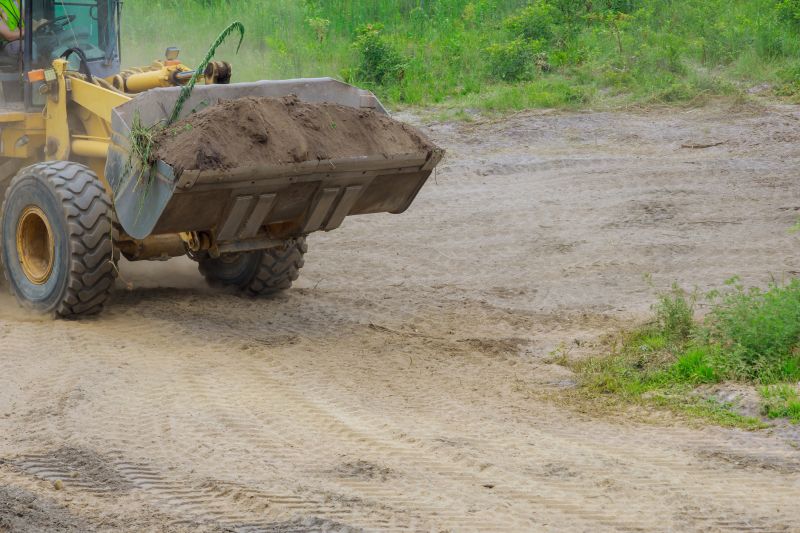
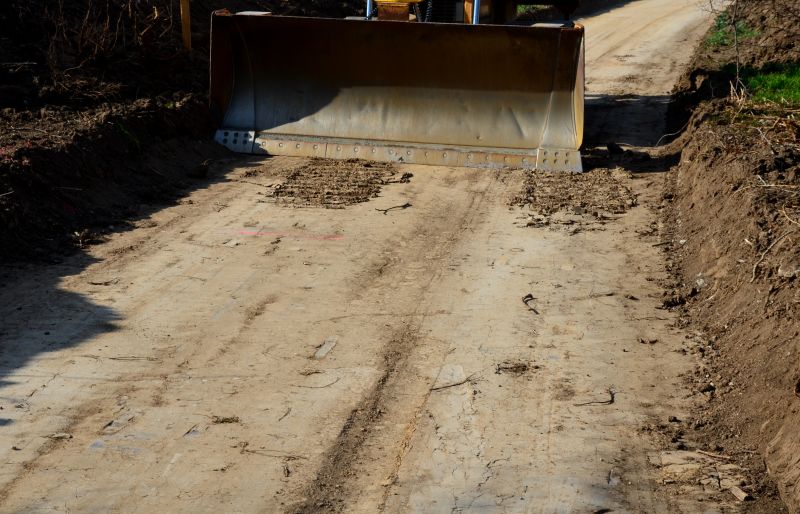
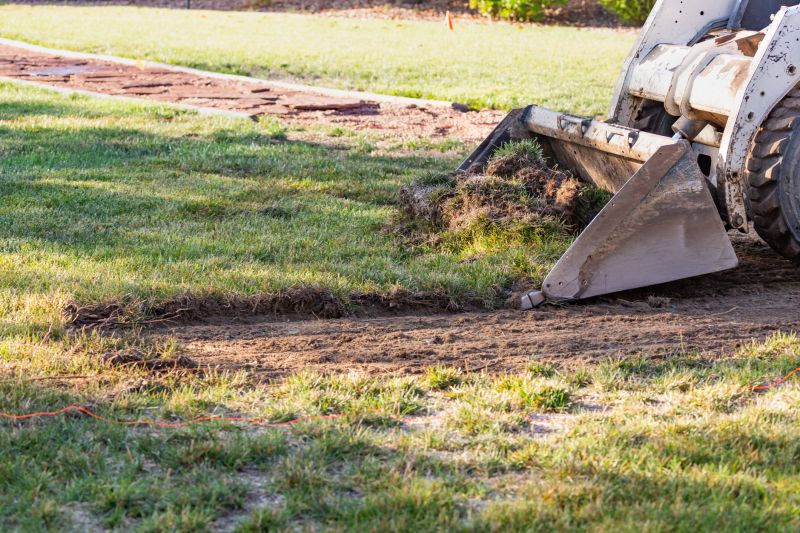
Land Leveling Questions
What is land leveling? Land leveling is the process of smoothing and grading uneven terrain to create a flat, even surface for construction, landscaping, or agricultural purposes.
Why is land leveling important? Proper land leveling helps prevent water runoff issues, improves drainage, and provides a stable foundation for building or planting.
What types of projects require land leveling? Projects such as building construction, lawn installation, irrigation setup, and agricultural planting often need land leveling to ensure proper results.
How does land leveling benefit property owners? It enhances property usability, reduces erosion risks, and supports better water management across the land.
Request Land Leveling in Atlanta, GA
Use the quote form on this page to share the basics of your project and request more information for the type of work you need.